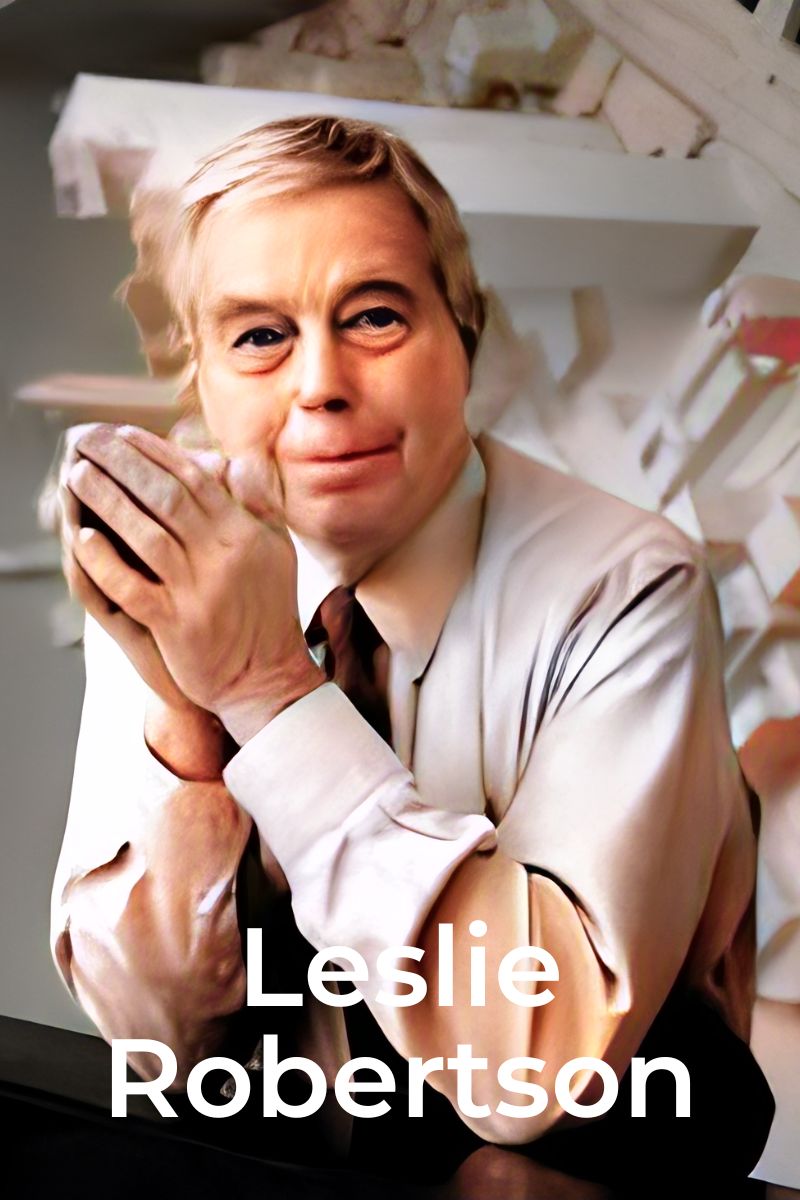
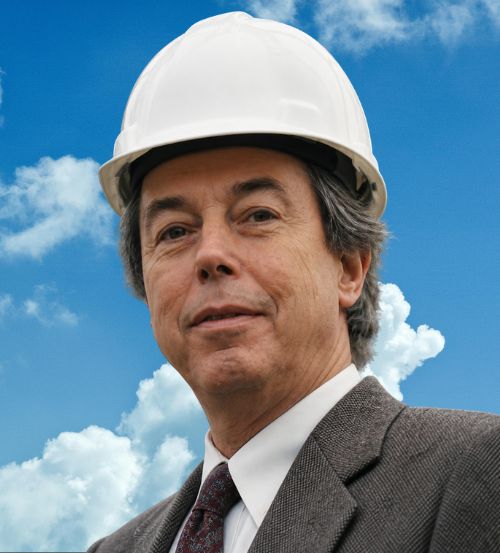
Leslie Robertson Biography: Introduction
I have to be honest with you. Before I started researching Leslie Robertson, I did not know his name. I knew the Twin Towers. I knew the skyline. I knew September 11 the way every person on this planet knows it, as a wound that never fully healed. But the man who actually built those towers? His name was not in the conversations I had ever heard. And that struck me as deeply unfair.
When a building goes up, we remember first who the architect is. We remember the politician who cut the ribbon. We remember the developer who financed it. But the structural engineer we hardly think of, the person who actually figured out how to hold the whole thing in the sky, somehow gets left out of the story. Leslie Robertson spent the best years of his life making those towers possible.
He was in his early thirties, working on his very first skyscraper, carrying the weight of the most ambitious building project in American history on his shoulders. And most people reading this right now are hearing his name for the very first time. I think that needs to change. And that is exactly why I wrote this biography.
I believe there are buildings you look at and forget the next day. And then some buildings become part of who you are. Buildings that get woven into the way you see a city, the way you understand strength and beauty, the way you feel about the place you live. For millions of Americans, and for people all over the world, the Twin Towers of the World Trade Center were exactly that kind of building.
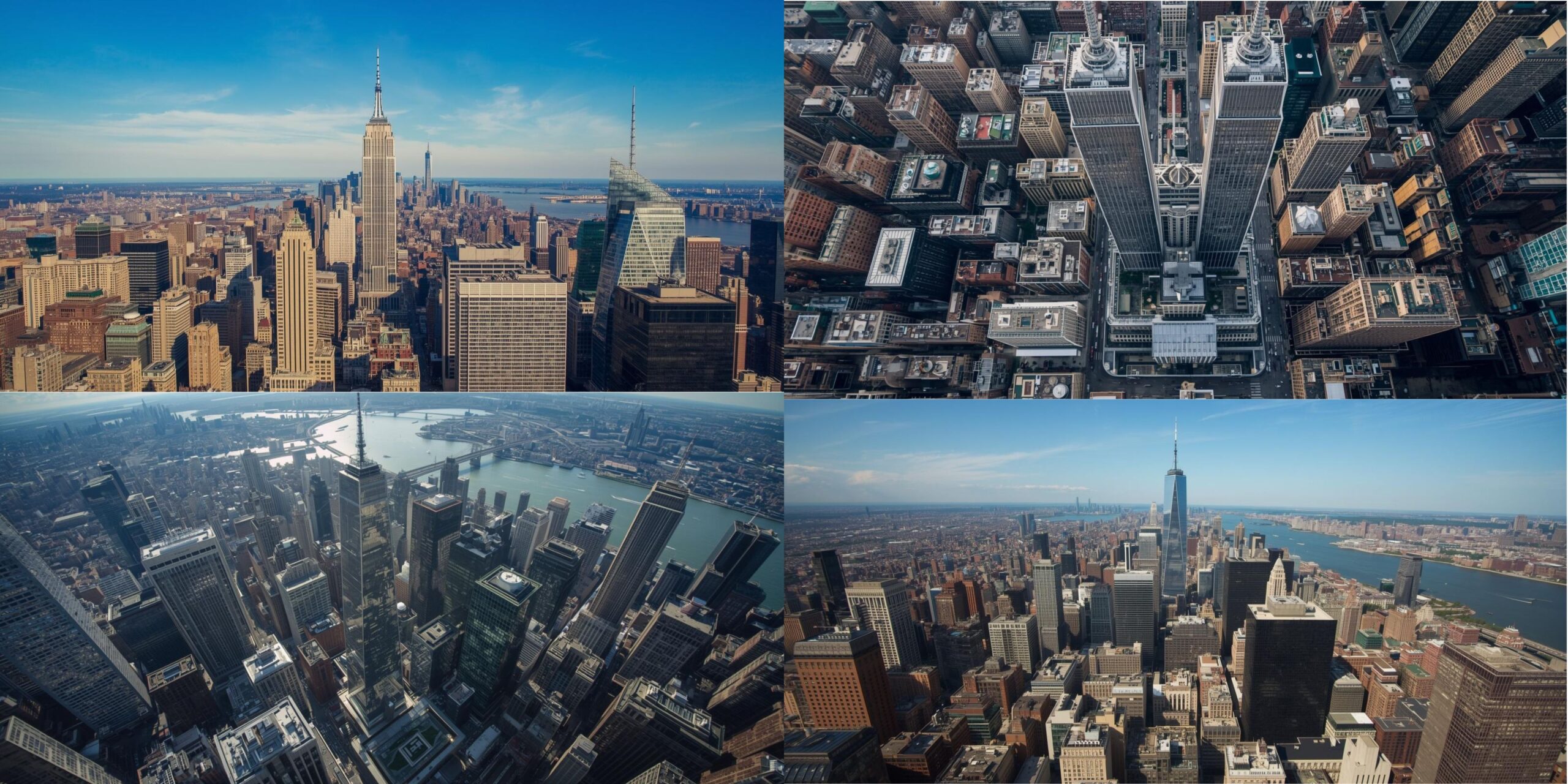
They stood on the southern tip of Manhattan like two giants watching over the harbor. 110 floors each. 1,368 feet tall. For nearly three years after their completion in 1973, they were the tallest buildings on earth. The architect who designed them, Minoru Yamasaki, gets most of the credit in history books. His name is the one people remember. But there was another man, quieter, less celebrated, standing slightly behind the spotlight, who made those towers possible. Without his mind, his innovations, and his engineering genius, Yamasaki’s vision would have remained just a drawing on paper.
That man was Leslie Earl Robertson.
He was the structural engineer of the World Trade Center. The man who figured out, from the ground up, how to hold 110 floors of glass and steel in the sky above New York City. And on September 11, 2001, when the towers he had spent the best years of his life building came down in fire and dust, something in him came down too, and he never fully recovered. This is his story.
| Information At a Glance : |
| Full Name: Leslie Earl Robertson |
| Age at Death: 92 years (1928–2021) |
| Birthplace: California, United States |
| Profession: Structural Engineer |
| Education: University of California, Berkeley |
| Hobby: Teaching, Engineering Innovation |
Leslie Robertson Biography: Early Life & Family Background
Leslie Earl Robertson was born on February 12, 1928, in Manhattan Beach, California, a small beach city just south of Los Angeles, right on the Pacific Ocean. His mother, Tinabel, was a homemaker. His father, Garnet, worked various jobs. When Leslie was still a young boy, his parents divorced, and he was raised primarily by his father’s second wife, Zelda. It was not a story of early genius. It was not a story of a brilliant kid who excelled in school and was destined for greatness. Leslie Robertson, by his own account, was a disaster in the classroom. He called himself a “terrible student.”
He struggled with formulas. He struggled with sitting still in class. He struggled with the rigid structure of school. By the time he was 16, he had had enough. He dropped out of high school, not because he was lazy, but because the traditional educational system had no room for the way his mind worked. In 1944, at just 16 years old, he enlisted in the United States Navy. He served as an Electronics Technician’s Mate in the final stretch of World War II, up until just before the German surrender in 1945. He was 17 years old when the war ended.
He left the Navy without a diploma and without a clear plan. But something had changed in him during his time in the service. The electronics work had connected with the way his brain processed the world, through systems, structures, and how things hold together under pressure. He managed to get into the University of California, Berkeley, not through standard admission but through examination. He enrolled in the engineering program.
And there, finally, in the discipline of civil and structural engineering, something clicked. He was, by his own account, still a confused student. He said years later: “I’m good at concepts but bad at formulas.”
What he had was something no formula could teach. He could look at a structural problem and see the solution not as a calculation but as a vision, the way an artist sees a painting before a single brushstroke has been made. He graduated in 1952 with a Bachelor of Science in Civil Engineering from UC Berkeley. Nobody at that graduation ceremony could have imagined that this self-described as not fit for traditional education would one day build the tallest buildings on earth.

Leslie Robertson Biography: Personal Life & Relationships
Leslie Robertson was a man of quiet contradictions that made him deeply human. He built some of the most powerful structures on earth and spent his life working for peace. He called himself a terrible student and went on to become one of the most innovative engineers of the 20th century. He was modest and self-effacing in person and had the confidence to design buildings that no one had ever built before. Robertson was married three times.
His first two marriages, to Elizabeth Zublin and Sharon Hibino, both ended in divorce. In 1982, he married SawTeen See, a structural engineer who had worked alongside him and who became his life partner in both personal and professional senses. Together, they co-founded See Robertson Structural Engineers in his final years.
Friends and colleagues described him as “unfailingly charming, in a self-effacing way.” He was the kind of man who made everyone in the room feel comfortable, not through charisma or showmanship, but through genuine warmth and interest in other people. He loved the arts as much as he loved engineering. His work with sculptor Richard Serra, helping install massive steel artworks that weighed hundreds of tons, reflected his belief that engineering and art were not separate disciplines but two expressions of the same human desire to make something meaningful in the world.
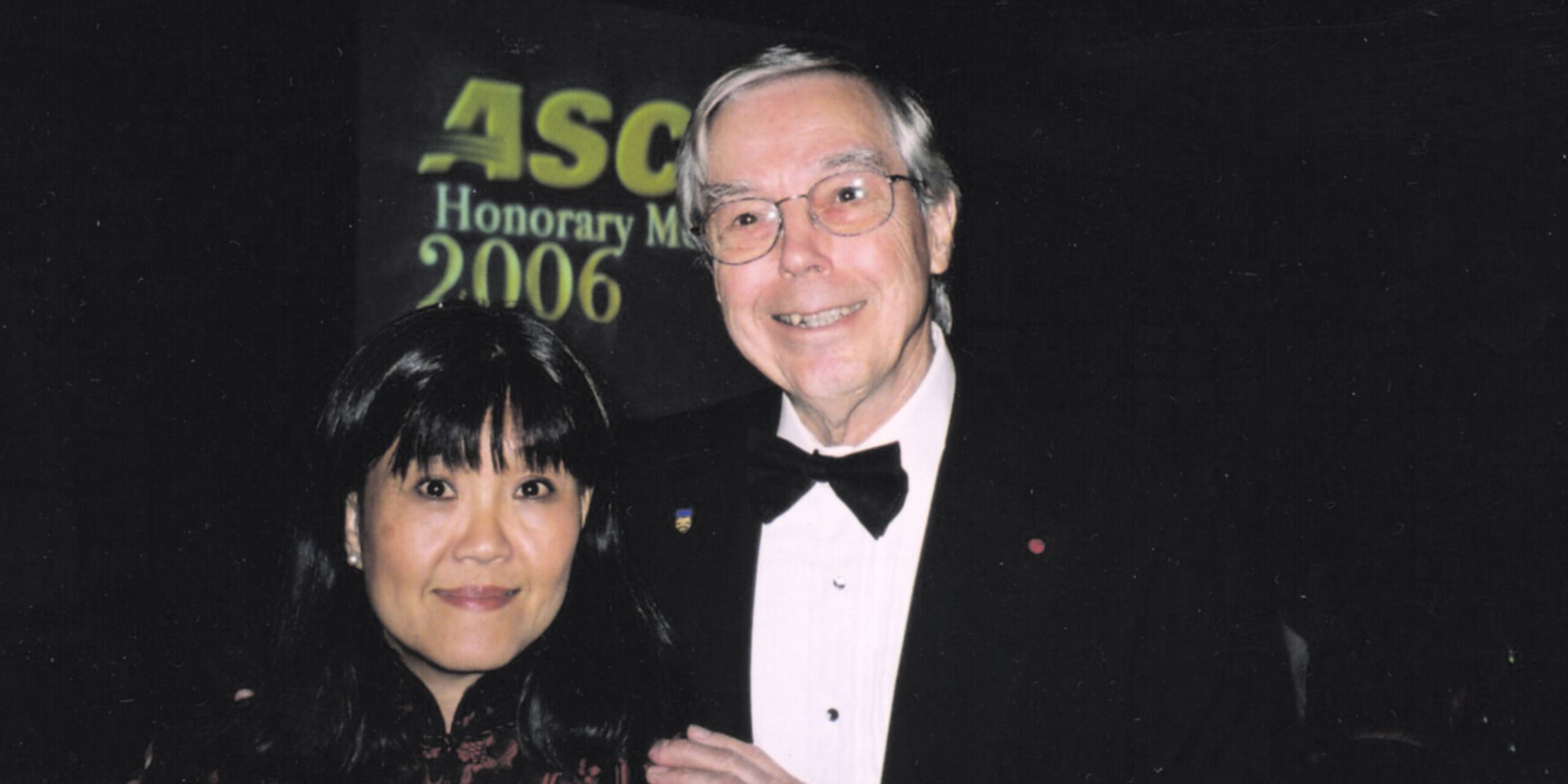
He was also a committed pacifist and social activist. For years, he was active in Architects/Designers/Planners for Social Responsibility, a group that worked to educate the public about the dangers of nuclear war. He wore his peace pin every day. Robertson moved back to San Mateo, California, in October 2020, after living in New York City for nearly six decades. He had been a New Yorker since 1963, when he moved there to work on the World Trade Center.
Leaving New York was, in its own small way, the closing of a chapter. He died on February 11, 2021, just one day before his 93rd birthday. The cause was multiple myeloma, a form of blood cancer.
Leslie Robertson Biography: Education
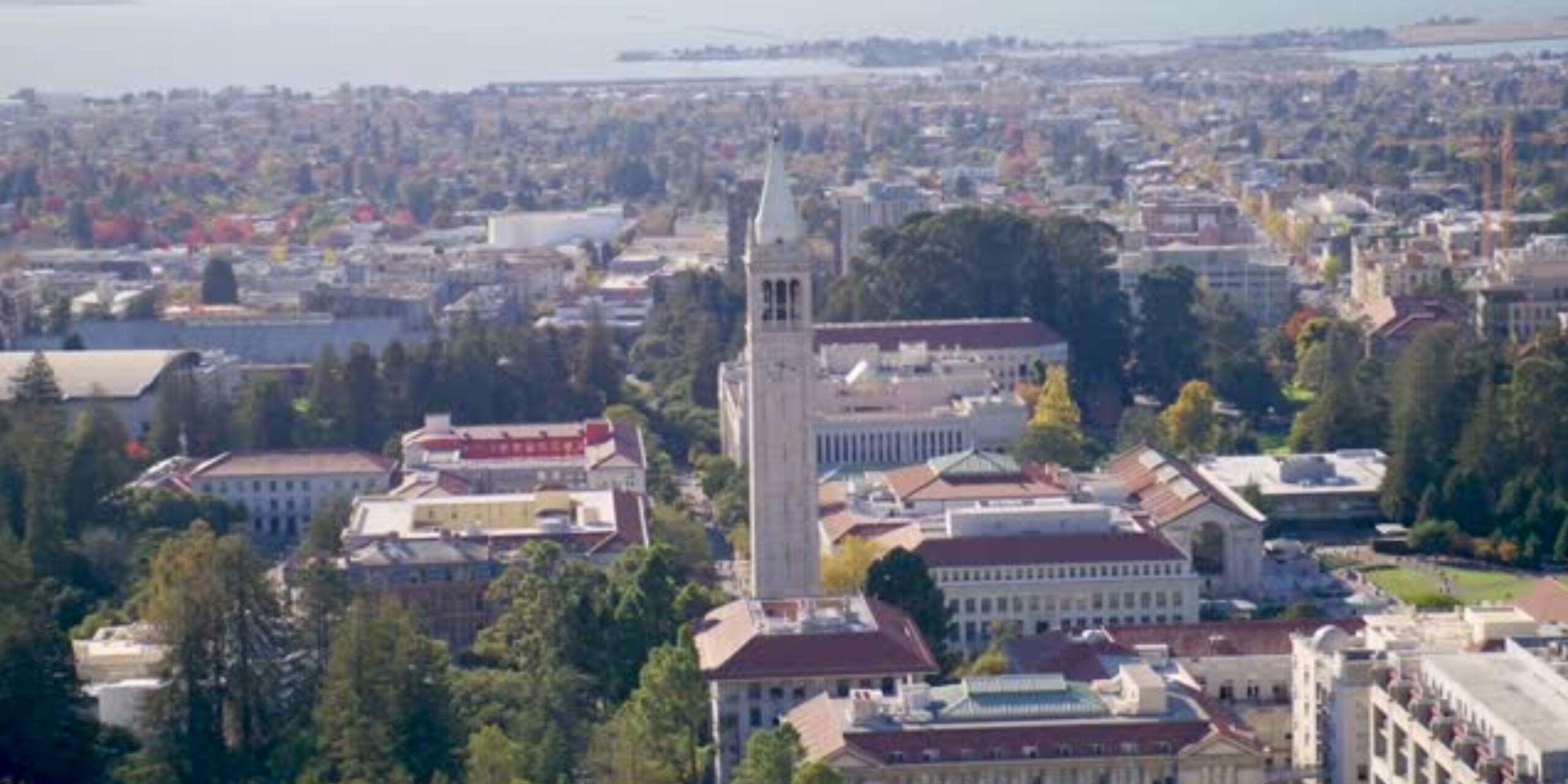
Robertson studied civil engineering at the University of California, Berkeley, one of the top engineering schools in the United States. During his college years, he developed a deep understanding of structural design, mathematics, and physics. His education prepared him to solve complex engineering challenges that few others could handle.
He worked with leading architects and engineers, gradually building a reputation for solving difficult structural problems. His breakthrough came when he joined the team responsible for designing the World Trade Center in New York City. At the time, building such tall towers was considered extremely challenging. Engineers had to deal with wind forces, structural stability, and safety concerns. Robertson introduced innovative solutions that changed everything.
Leslie Robertson Biography: Career Journey
Leslie Earl Robertson (February 12, 1928 – February 11, 2021) was a pioneering American structural engineer best known as the lead structural engineer for the original Twin Towers of the World Trade Center in New York City. Over a 60-year career, he became a global authority on tall building design, wind engineering, and innovative structural systems.
Career Beginnings, Finding His Way to Skyscrapers
After graduating from Berkeley in 1952, Leslie Robertson began his engineering career on the West Coast. His early career moved through several firms as he built his skills and his reputation:
1. 1952–1954: Kaiser Engineering
2. 1954–1957: John Blume and Associates
3. 1957–1958: Raymond International
These were years of learning, not just engineering, but the business of engineering. How buildings actually get built. How architects and engineers work together. How structural systems interact with the forces of wind, gravity, and seismic activity.
In 1958, he moved to Seattle and joined a firm called Worthington and Skilling, a young, ambitious structural engineering practice that would become one of the most important firms in American history. At Worthington and Skilling, Robertson found his people. The firm was led by John Skilling, an engineer who, according to those who knew him, considered Robertson a genius.
The firm’s work took Robertson to Seattle’s World’s Fair in the early 1960s, where he worked on the design of the United States Science Pavilion and the Opera House. These were complex, high-profile projects that sharpened his skills and raised his profile. Then came the call that would change his life.
The World Trade Center, Engineering the Impossible
In the early 1960s, the Port Authority of New York and New Jersey had a bold vision to build the largest commercial complex in history on the southern tip of Manhattan. A complex that would house tens of thousands of workers, redefine the New York skyline, and announce to the world that America was back after the post-war years.
The architect who won the competition to design it was Minoru Yamasaki, a soft-spoken Japanese-American architect from Seattle. When Yamasaki won, his firm’s engineering contract went to Worthington, Skilling, Helle, and Jackson (WSHJ), the firm where Leslie Robertson worked.
Robertson was selected to lead the structural engineering of the project. He was in his early 30s. It was his first-ever high-rise building. Years later, looking back on that moment, Robertson said simply, “I was a kid. We had never done a real high-rise before.”
The Engineering Problem, And the Genius Solution
The World Trade Center presented structural engineering challenges that had never been faced before at this scale. The towers were to be 110 stories tall. They would be exposed to hurricane-force winds coming off the Atlantic Ocean. They would need to hold tens of thousands of people, millions of tons of equipment, glass, steel, and concrete. And they would need to do all of this while maximizing open, column-free floor space so that tenants could use the interiors flexibly.
That last requirement was the most difficult. In traditional skyscrapers of the time, structural columns were placed throughout the interior floors, which meant you could not have wide, open office spaces. You designed around the columns. Yamasaki wanted something different. He wanted the floors to be completely open, like a blank canvas. No interior columns interrupted the space. Leslie Robertson solved this problem with a structural concept that was revolutionary.
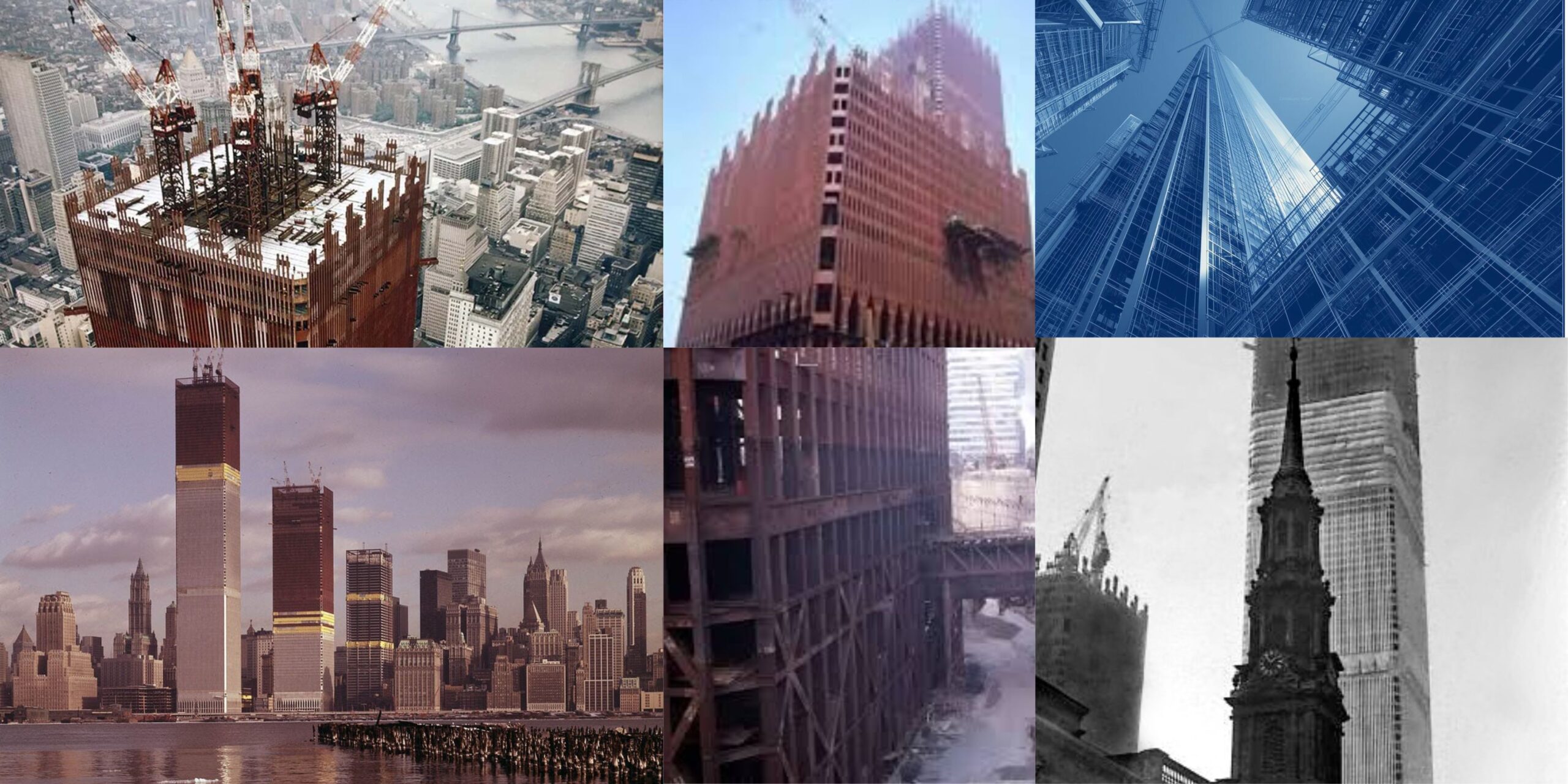
Instead of placing support columns inside the building, he moved all the structural support to the exterior wall. The outer skin of each tower became the structure itself, densely spaced steel columns, just two feet apart, running the full height of 110 stories, forming an enormous tube-like exoskeleton. Robertson described this design as being built “like the wing of an airplane”, the strength all in the surface, not the center.
This design achieved several extraordinary things at once:
Column-free interiors. The floors inside were completely open. Tenants could arrange their spaces however they needed.
Enormous lateral strength. The exterior tube was incredibly resistant to wind forces, far stronger than a traditional steel frame would have been at that height.
First-of-its-kind structural innovations. Robertson and his team introduced several engineering firsts on this project, including the first use of a space-frame megastructure with outriggers for a high-rise building, the first use of prefabricated multi-column wall panels, and the development of mechanical damping units, devices built into the structure to reduce the sway of the building in high winds. This was the first time building sway had ever been mechanically managed in this way.
He also helped develop the first boundary-layer wind tunnel to test how the towers would respond to real wind conditions, a tool that is now standard practice in high-rise engineering worldwide. The towers were designed and engineered between 1966 and 1971 and were completed in 1973. When they opened, they were the tallest buildings in the world, Tower One standing at 1,368 feet and Tower Two at 1,362 feet.
In 1967, as the project progressed and Robertson’s genius became clear to everyone around him, he was made a partner in the firm, which was renamed Skilling, Helle, Christiansen, Robertson, reflecting the four key figures who had built it into something extraordinary. Robertson later said that he had been told the towers could withstand the impact of a Boeing 707, the largest jet aircraft of the time. What struck the towers on September 11, 2001, were Boeing 767s, far larger, loaded with thousands of gallons of jet fuel. Nobody, not Robertson, not anyone, had imagined that scenario.
Other Landmark Buildings Around the World
The World Trade Center was Robertson’s greatest project, but it was far from his only one. Over a career spanning more than five decades, he left his structural fingerprint on some of the most extraordinary buildings on earth.
1. The U.S. Steel Tower, Pittsburgh
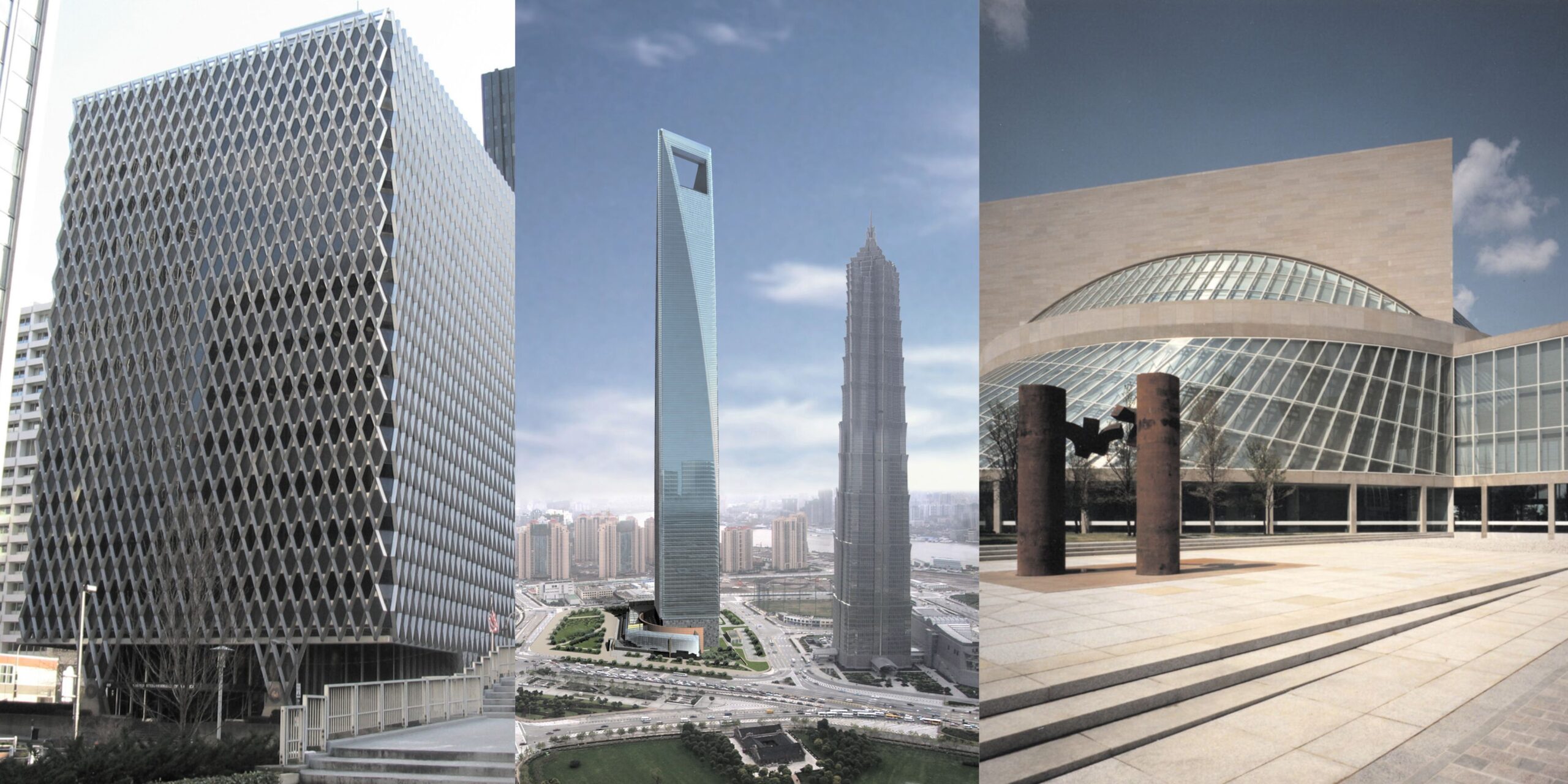
Shortly after the World Trade Center, Robertson engineered the U.S. Steel Tower in Pittsburgh, Pennsylvania, designed by architects Harrison and Abramovitz. This distinctive building used some of the same innovative structural principles Robertson had developed for the Twin Towers, particularly the use of exterior tube systems to handle wind loads.
2. The Bank of China Tower, Hong Kong
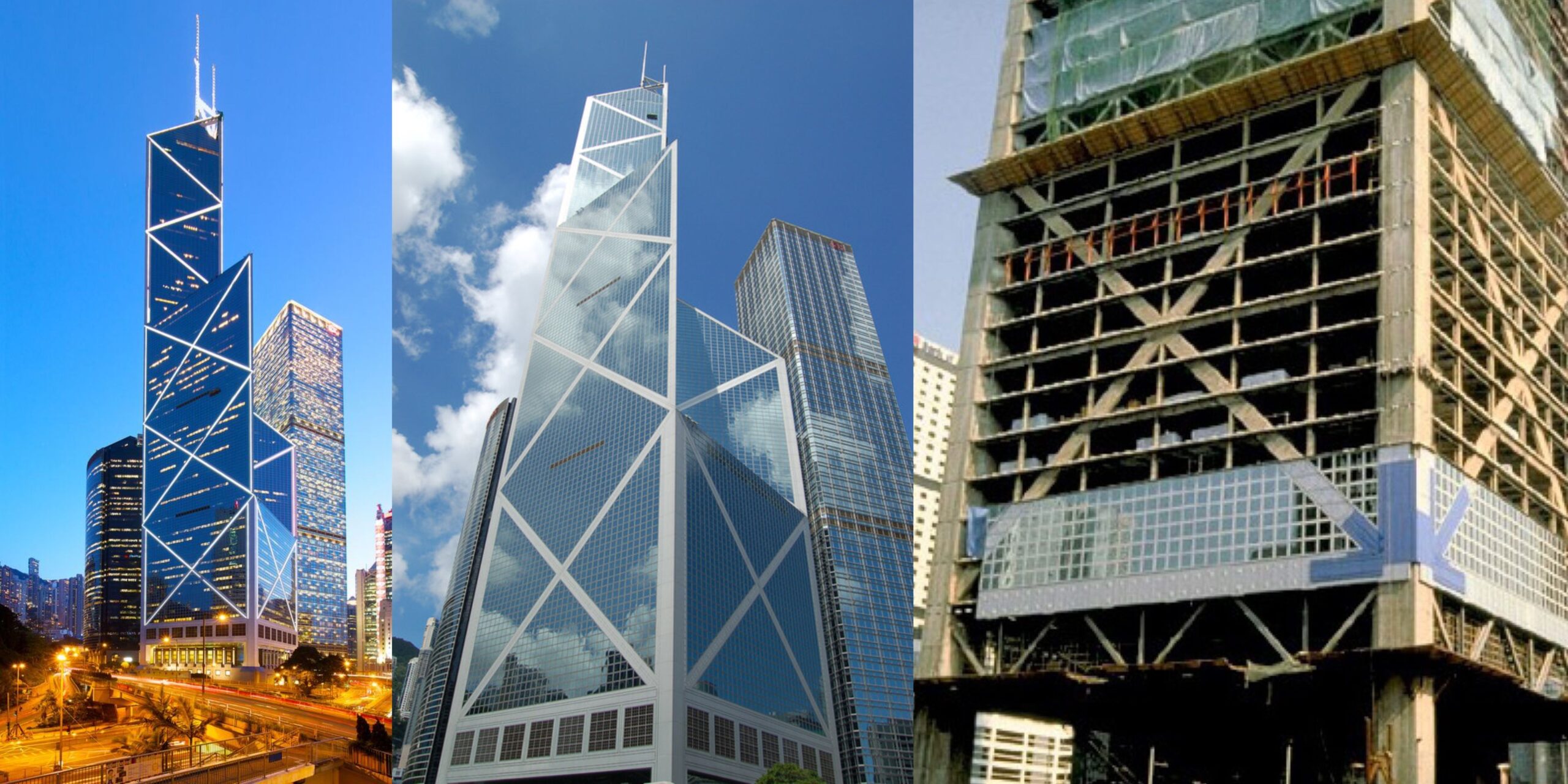
One of Robertson’s most visually striking projects came in partnership with legendary Chinese-American architect I.M. Pei. The Bank of China Tower in Hong Kong, completed in 1990, rises 72 stories and is instantly recognizable for its dramatic diagonal bracing system, an X-shaped framework of steel that gives the building its distinctive geometric appearance.
The two men became close friends through this project and many others. Robertson frequently visited Pei in the architect’s final years. Pei’s son, L.C. Pei, described Robertson as “a perfect architect’s engineer,” meaning he understood not just the engineering but the architecture, the vision, and the relationship between structure and beauty.
3. The Shanghai World Financial Center
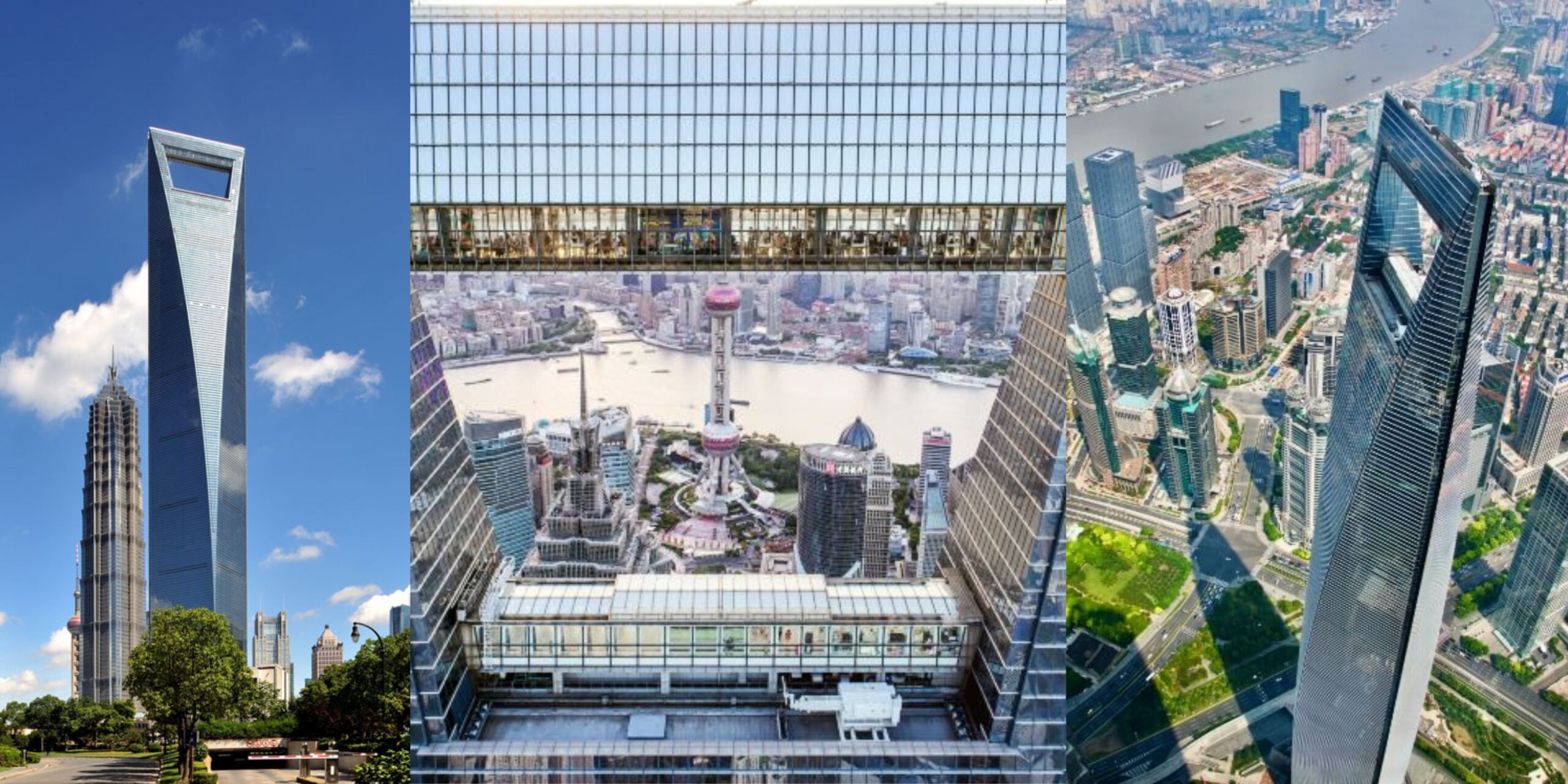
In the 1990s and 2000s, Robertson worked on the Shanghai World Financial Center, one of China’s most iconic skyscrapers and, at the time of its completion in 2008, one of the tallest buildings in the world. The building rises 101 stories and is famous for its distinctive trapezoidal opening near the top, which was designed to reduce wind pressure on the structure.
4. Puerta de Europa, Madrid
Robertson also engineered the Puerta de Europa towers in Madrid, Spain, two dramatically leaning office towers, each tilted at 15 degrees, flanking the entrance to Madrid’s Paseo de la Castellana. At the time of their completion in 1996, they were the first inclined skyscrapers in the world. The structural challenge of making towers lean at an angle while remaining safe and stable was exactly the kind of problem that Robertson’s conceptual mind loved to solve.
5. Museums, Theaters, and Bridges
Robertson’s work extended far beyond skyscrapers. He worked on museums in Seattle, Portland (Maine), and Berlin. He engineered theaters and concert halls, including the Meyerson Symphony Center in Dallas, designed by I.M. Pei. He worked on bridges. He also worked with American sculptor Richard Serra to structurally engineer the installation of Serra’s massive steel artworks, pieces that weigh hundreds of tons and required extraordinary structural precision to install safely.
6. The 1978 Citigroup Center Repair
One of Robertson’s lesser-known but critically important contributions was his involvement in the emergency repair of the Citigroup Center (now 601 Lexington) in New York City in 1978.
After the building was completed, structural engineer William LeMessurier discovered that a design change during construction had created a serious flaw; the building was at real risk of collapse during certain wind conditions. Robertson was brought in as part of the team to quietly and urgently fix the problem. Working at night to avoid public panic, engineers repaired the building’s joints over several months. It was one of the most significant and one of the most secret engineering rescue operations in American history.
His Book, The Structure of Design
In 2017, at the age of 89, Leslie Robertson published his memoir: The Structure of Design: An Engineer’s Extraordinary Life in Architecture, published by Monacelli Press.
The book is part technical memoir, part personal confession, and part love letter to the art of engineering. It covers his career from his early years in California through the World Trade Center project, his global work, his personal life, and, most movingly, his feelings about September 11.
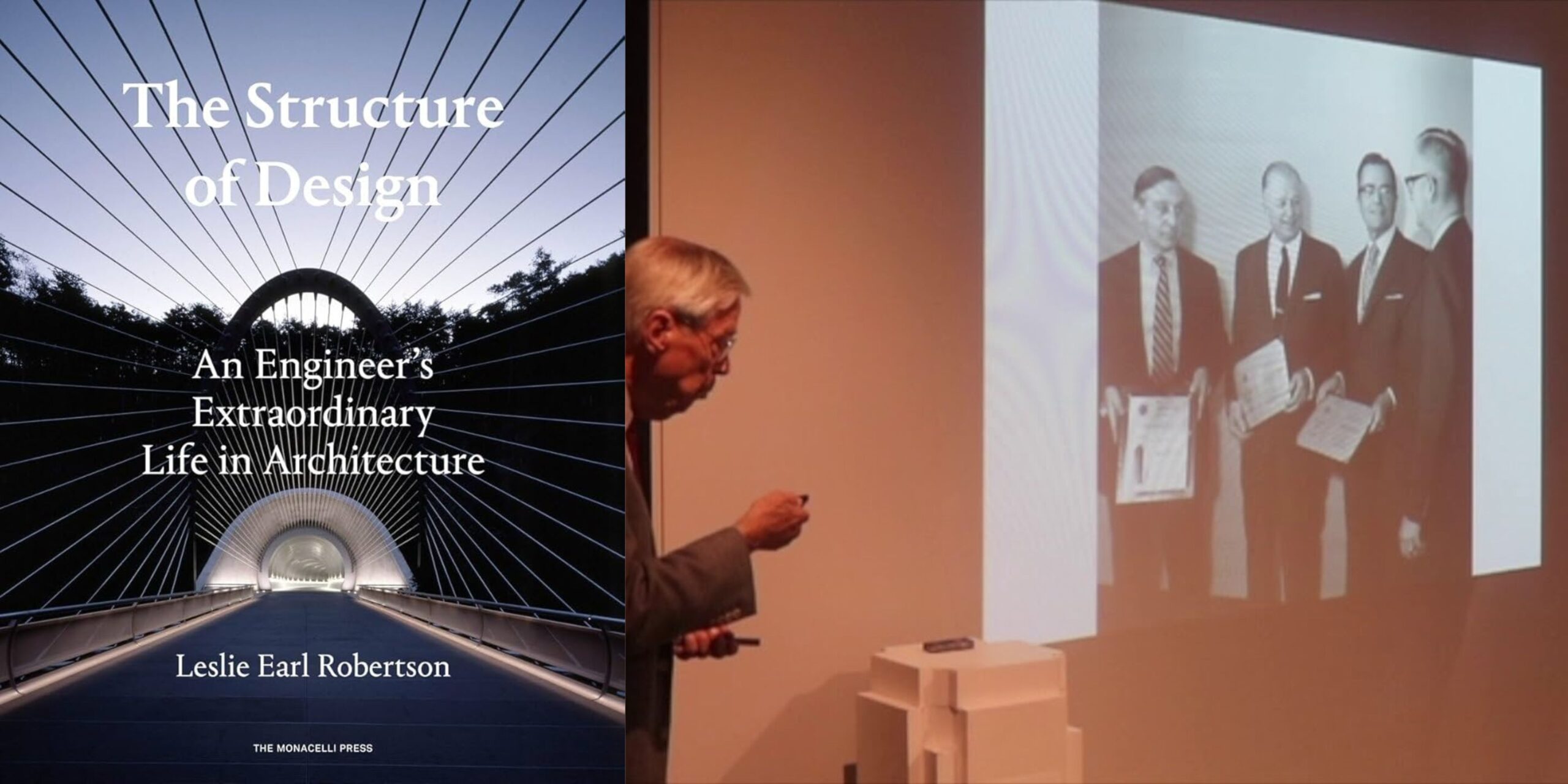
It is one of the most honest books ever written by an engineer about what it means to create something that outlasts you, becomes part of human history, and then is destroyed in a morning. If you want to understand who Leslie Robertson really was, this book is where you should start.
September 11, 2001, The Day Everything Changed
No biography of Leslie Robertson can be complete without talking honestly about September 11, 2001. When the towers fell, Robertson was 73 years old. He had spent 35 years of his life connected to those buildings, first designing them, then working on their repair after the 1993 bombing, then serving as a resource for ongoing structural questions about the buildings.
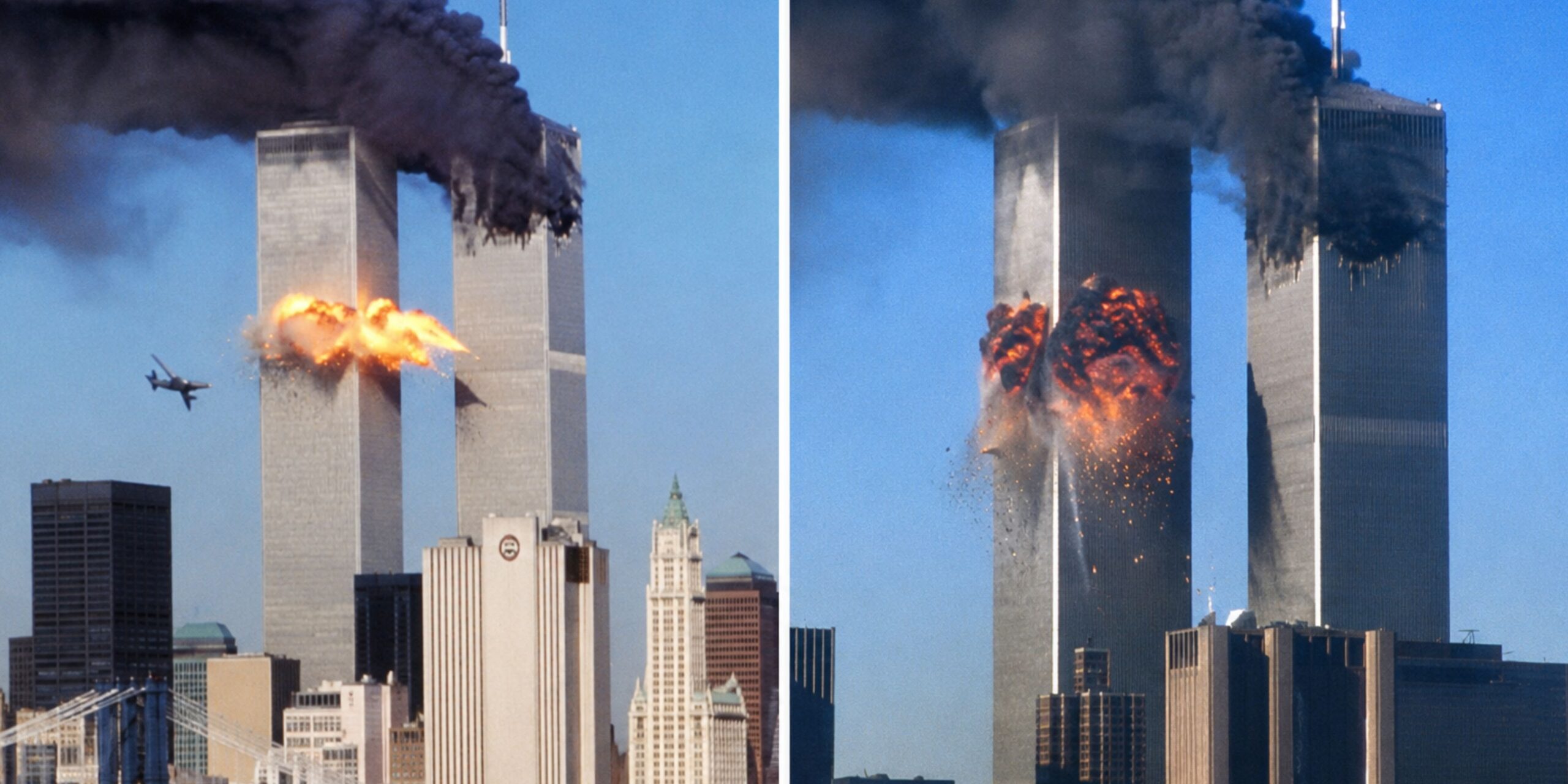
When the news broke on the morning of September 11, Robertson watched the same footage as the rest of America. But he was not watching as a bystander. He was watching as the man who had designed the structural system that was burning and eventually collapsing in front of the world. The grief he felt was, by all accounts, overwhelming. He wrote about it in his 2017 memoir with devastating honesty. He described the haunting that never left him, the question of whether he could have done something differently that might have changed the outcome.
In one of the most moving passages he ever wrote, he said:
“My sense of grief and my belief that I could have done better continue to haunt me. Perhaps, had the two towers been able to survive the events of 9/11, President Bush would not have been able to project our country into war. Perhaps, the lives of countless of our military men and women would not have been lost. Perhaps countless trillions of dollars would not have been wasted on war. Just perhaps, I could have continued my passage into and through old age, comfortably, without a troubled heart.”
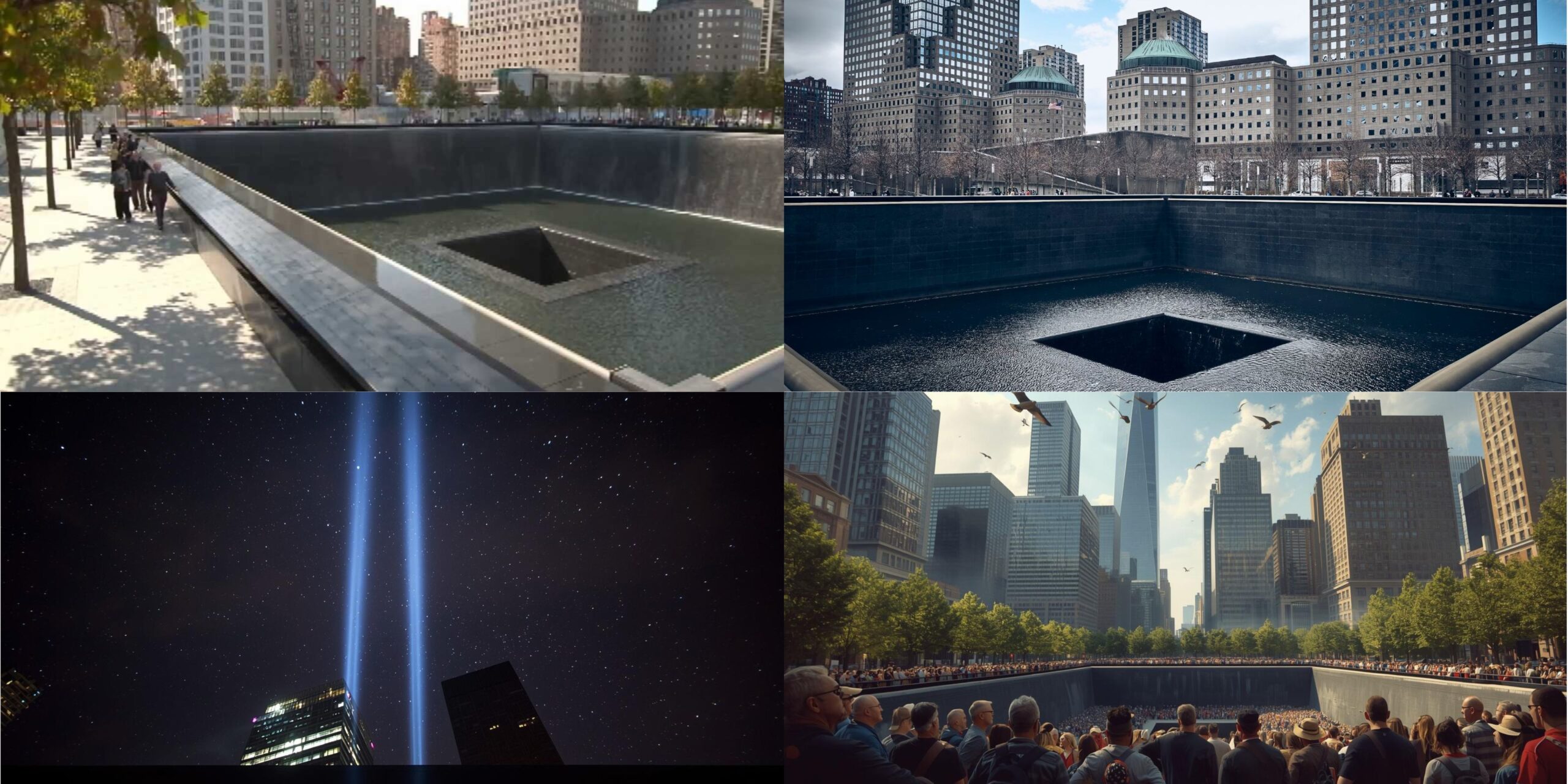
That passage says everything about the kind of man Leslie Robertson was. He did not hide behind the technical facts, the facts that the towers were never designed to withstand the impact of fuel-loaded 767s, the facts that the structural system performed beyond all reasonable expectations, and allowed tens of thousands of people to escape before the collapse. He knew those facts. But he carried the grief anyway.
Engineers and architects who knew him well noted that he always wore a small peace-sign pin on his lapel. If someone asked him about it, he would take it off and hand it to them, because he had, as his daughter Karla described it, “a bag of them.” He was a pacifist. He was an anti-war activist. The Iraq War that followed September 11 grieved him deeply, in part because he felt, in his most private moments, that the collapse of his towers had made it possible.
The engineering community, however, was clear in its verdict. The consensus among structural engineers was that the World Trade Center performed extraordinarily well under conditions that no building in history had ever faced. The towers stood long enough for approximately 25,000 people to evacuate. Without Robertson’s structural system, the collapse would have been immediate and the death toll unimaginably higher. One colleague, engineer Guy Nordenson, said it plainly: “His solution saved many lives by delaying the inevitable collapse of the towers on that horrible day.”
Leslie Robertson Biography: Awards & Recognition
Over his extraordinary career, Leslie Robertson received recognition from the engineering community and beyond:
1. Member of the National Academy of Engineering (1975), for contributions to the design of tall buildings and the development of wind-engineering principles
2. Honorary Doctor of Engineering, Rensselaer Polytechnic Institute (1986)
3. Honorary Doctor of Science, University of Western Ontario (1989)
4. ENR Construction’s Man of the Year / Award of Excellence (1989), Engineering News-Record’s highest individual honor
5. Honorary Doctor of Engineering, Lehigh University (1991)
6. Mayor’s Award for Excellence in Science and Technology, New York City (1993), for the structural design of the World Trade Center
7. World Trade Center Individual Exceptional Service Medal, for reconstruction work after the 1993 bombing
8. OPAL Lifetime Achievement Award, American Society of Civil Engineers (2003)
9. Henry C. Turner Prize for Innovation in Construction Technology, National Building Museum (2002)
10. Fazlur Khan Lifetime Achievement Medal, Council on Tall Buildings and Urban Habitat (2004)
11. Distinguished Member, American Society of Civil Engineers (2006)
12. National Honor Member, Chi Epsilon Civil Engineering Honor Society (2008)
13. John Fritz Medal, American Association of Engineering Societies (2012), one of the highest honors in American engineering
14. Former Chairman, Council on Tall Buildings and Urban Habitat (1985–1990)
The Council on Tall Buildings and Urban Habitat said after his death: “Les Robertson was an omnipresent force at almost all CTBUH conferences and other activities for almost 50 years. To say he will be missed is, quite literally, a towering understatement.”
Leslie Robertson Biography: Major Achievements / Work
Leslie Robertson’s most famous achievement was his work on the World Trade Center Twin Towers.
Key Contributions:
1. Designed the structural system of the Twin Towers
2. Introduced the “tube structure” concept for skyscrapers
3. Improved resistance to wind and structural stress
4. Helped make ultra-tall buildings safer and more efficient
His work did not stop there. He also contributed to many other important projects, including:
1. Shanghai World Financial Center
2. Bank of China Tower (collaboration phase)
3. Numerous global infrastructure projects
Leslie Robertson Biography: Net Worth & Wealth Timeline
Leslie Robertson was not known for personal wealth like business tycoons.
Financial Journey:
1. Early Career: Focused on engineering roles
2. Mid-Career: Led major global projects
3. Later Years: Became a respected consultant and educator
His true wealth was his impact on modern engineering and architecture.
Leslie Robertson Biography: Philanthropy & Impact
Robertson contributed greatly to education and engineering details and knowledge.
1. Taught at universities, including Princeton
2. Mentored young engineers
3. Shared knowledge through lectures and publications
4. His influence continues through the engineers he trained and inspired.
Leslie Robertson Biography: Lessons / Principles
The Leslie Robertson biography teaches powerful lessons:
1. Innovation solves impossible problems
2. Strong foundations lead to lasting success
3. Precision and discipline are key to excellence
4. Share knowledge to build the future
5. Stay humble despite great achievements
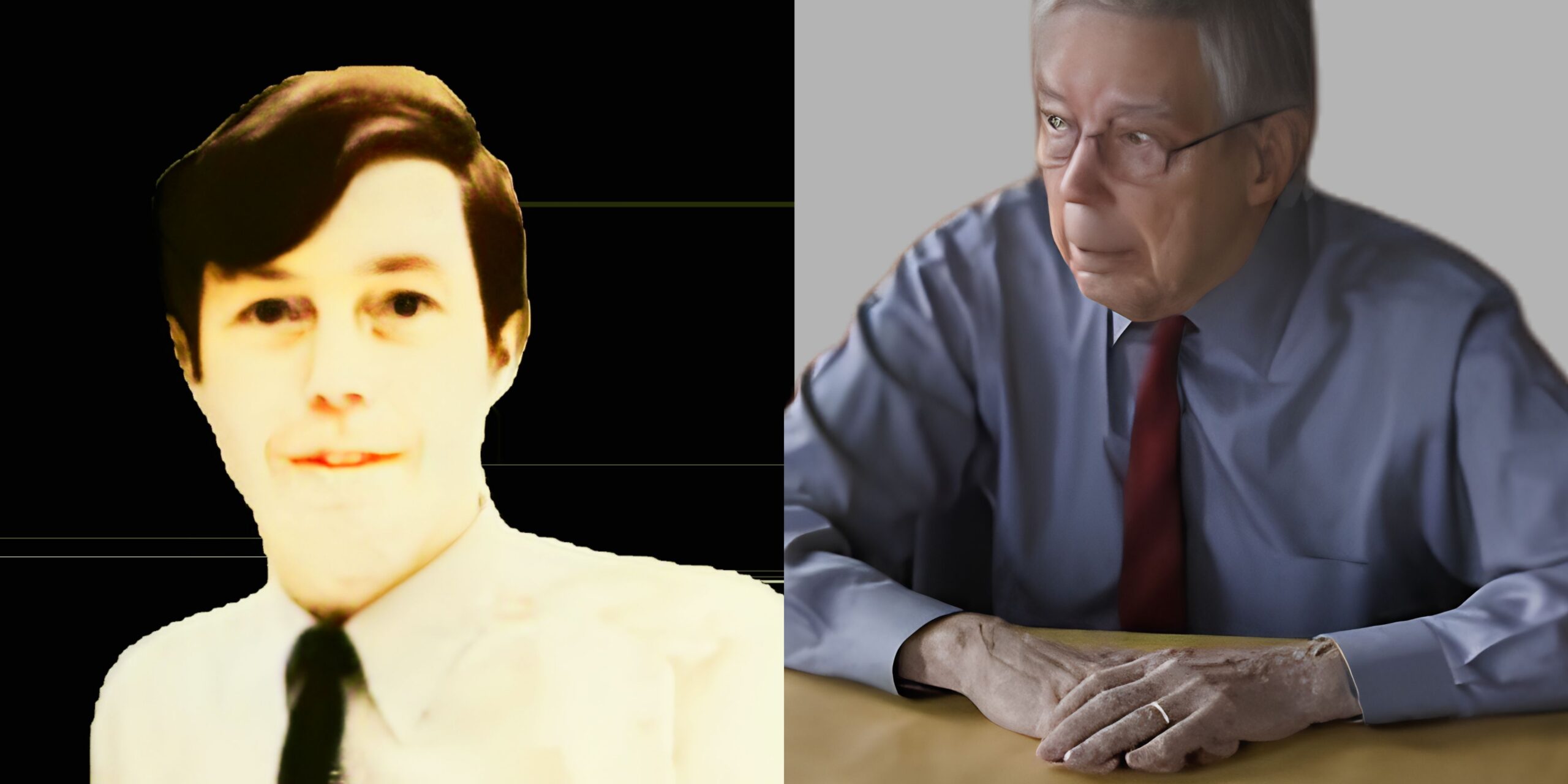
Leslie Robertson Biography: Interesting Facts (10 Only)
1. He dropped out of high school at age 16 and called himself a “terrible student”, yet became one of America’s greatest engineers.
2. He got into UC Berkeley not through normal admission but by examination, after serving in the Navy.
3. The World Trade Center was his first-ever high-rise project. He had never built a skyscraper before.
4. The exterior steel columns of the Twin Towers were spaced just two feet apart, creating a tube of steel that acted like the skin of an airplane wing.
5. He developed mechanical damping units for the Twin Towers, the first time building sway had ever been mechanically managed in a high-rise.
6. He helped design the first boundary-layer wind tunnel used to test skyscraper responses to real wind conditions.
7. He always wore a peace-sign pin on his lapel and kept a bag of them to give away.
8. He was active in anti-war and pacifism groups for decades, a man who built towers and marched for peace.
9. He co-founded his final firm with his wife, SawTeen See, who was also a distinguished structural engineer.
10. He died on February 11, 2021, just one day before his 93rd birthday, after a life that quite literally shaped the modern skyline.
What We Can Learn from Leslie Robertson’s Life?
Lesson 1: Your school record does not define you.
Leslie Robertson dropped out of high school. He called himself a terrible student. He was bad at the very things, formulas, and equations, that you would assume an engineer needs most. And yet he became one of the greatest structural engineers who ever lived. What school measures is not always what matters.
Lesson 2: Concepts matter more than formulas.
Robertson said it himself: “he was good at concepts but bad at formulas. The formulas can be learned, checked, and verified. The concepts, the ability to see a problem from a completely new angle and find a solution nobody else imagined, that is a rare gift. Nurture your ability to see differently.”
Lesson 3: Your first project might be your greatest.
Robertson had never designed a skyscraper before the World Trade Center. He was given the most ambitious building project in American history as his very first high-rise. And he delivered engineering innovations that changed the entire profession. Do not wait until you feel ready. The greatest work often comes before you expect it.
Lesson 4: Carry your work seriously.
Robertson never stopped caring about the towers he built. When they fell, he grieved. When people asked him whether he could have done more, he did not dismiss the question; he asked it of himself, every day, for the rest of his life. That is what it means to truly own your work.
Lesson 5: You can be a builder and a peacemaker.
He built some of the most powerful structures on earth and wore a peace sign on his lapel every single day. He marched against nuclear war. He mourned the human cost of conflict. He showed that the people who build our world do not have to be separate from the people who work for a better one.
My Personal Opinion: Why Leslie Robertson’s Story Moved Me
I want to tell you why I chose to write about Leslie Robertson for this biography. When I started researching his life, I expected to find a brilliant, celebrated man who had always known he was going to be great. What I found instead was something that felt much more familiar. A kid who did not fit into school. A young man who dropped out. Someone who stumbled his way into the right field, the right firm, the right project, and then discovered, almost by accident, that he had a gift unlike almost anyone else in the world.
He said he was bad at formulas. He said he was a struggling student. And then he went and designed the structural system for the tallest buildings on earth, on his very first high-rise project.
That tells me something important about how genius actually works. It is not always the straight-A student who changes the world. Sometimes it is the person who thinks in images and concepts rather than equations. The person who sees the whole picture before anyone else sees the pieces. And then there is the part of his story that I find most deeply human. He spent his life building something magnificent. He watched it fall. And he carried that grief for the remaining 20 years of his life, even though any fair reading of the evidence shows that his structural genius saved tens of thousands of lives on that terrible morning.
He could have taken comfort in that. Many people would have. But he chose, instead, to keep asking himself if he could have done more. That is not the mark of a man who failed. That is the mark of a man who cared more deeply and more honestly than most of us will ever care about anything we build.
Frequently Asked Questions (FAQs)
Q1: Who was Leslie Robertson?
Leslie Earl Robertson was an American structural engineer born on February 12, 1928, in Manhattan Beach, California. He is best known as the lead structural engineer of the Twin Towers of the World Trade Center in New York City. He also engineered the Bank of China Tower in Hong Kong, the Shanghai World Financial Center, and dozens of other landmark buildings worldwide.
Q2: When did Leslie Robertson die?
Leslie Robertson died on February 11, 2021, just one day before his 93rd birthday, at his home in San Mateo, California. The cause of death was multiple myeloma, a form of blood cancer.
Q3: What was Leslie Robertson’s role in the World Trade Center?
Leslie Robertson was the lead structural engineer of the Twin Towers. He designed the structural system that allowed the towers to reach 110 stories, created the exterior tube design that eliminated interior columns, and developed numerous engineering innovations, including mechanical damping units to control building sway.
Q4: Did Leslie Robertson feel responsible for the collapse of the World Trade Center?
Robertson carried deep personal grief about September 11 for the rest of his life. In his 2017 memoir, he wrote that his sense that he could have done better continued to haunt him. The engineering community, however, was clear that the towers performed extraordinarily well and that Robertson’s design saved tens of thousands of lives by giving occupants time to evacuate.
Q5: What other buildings did Leslie Robertson engineer?
In addition to the World Trade Center, Robertson engineered the Bank of China Tower in Hong Kong (with I.M. Pei), the Shanghai World Financial Center, the U.S. Steel Tower in Pittsburgh, the Puerta de Europa leaning towers in Madrid, the Meyerson Symphony Center in Dallas, and numerous museums, theaters, and bridges around the world.
Q6: What firm did Leslie Robertson found?
In 1982, Robertson founded Leslie E. Robertson Associates (LERA), now known as LERA Consulting Structural Engineers. It became one of the leading structural engineering firms in the world. In his later years, he co-founded See Robertson Structural Engineers with his wife, SawTeen See.
Q7: Did Leslie Robertson write a book?
Yes. In 2017, Robertson published his memoir titled The Structure of Design: An Engineer’s Extraordinary Life in Architecture, published by Monacelli Press. The book covers his entire career, including his work on the World Trade Center and his feelings about September 11.
Q8: What was Leslie Robertson’s wife’s name?
Leslie Robertson’s third and final wife was SawTeen See, a distinguished structural engineer in her own right. They married in 1982 and later co-founded See Robertson Structural Engineers together.
Conclusion
The Leslie Robertson biography is a story of innovation, intelligence, and dedication. From designing one of the most iconic structures in history to shaping modern engineering practices, his legacy continues to influence the world. His life proves that behind every great building, there is a brilliant mind working silently to make it possible.
Leslie Robertson built things that made people stop and stare. He built towers that scraped the clouds over Manhattan. He built a leaning tower in Madrid and a diamond-shaped tower in Hong Kong. He built structures in Shanghai that changed the skyline of an entire country. He worked on theaters, museums, bridges, and art installations, all of which were held together by the kind of structural thinking that most engineers could not have imagined.
But the most remarkable thing about Leslie Robertson was not any building he designed. It was the fact that a kid who dropped out of high school, who called himself a terrible student, who was bad at the very formulas that engineers are supposed to love, that kid went on to change the way the world builds skyscrapers.
He did it with concepts. With vision. With the ability to see a problem not as an equation to be solved but as a picture to be drawn. He looked at the challenge of building the tallest towers on earth, and he saw, before anyone else did, that the strength had to be in the skin, not the skeleton. Like the wing of an airplane. Like something that could bend in the wind and hold. He was right. Despite the unimaginable damage, the towers remained standing long enough for many people to escape. And because they held, tens of thousands of people walked out alive.
Leslie Robertson spent the last 20 years of his life carrying grief about that day. He wore his peace pin, and he marched against war, and he asked himself, in his quietest moments, whether he could have done more. I think the answer to that question, the real answer, is written in the names of every person who walked down those stairs and made it out before the towers fell. That is his legacy. Not the buildings. The people.
When I finished reading about Leslie Robertson’s life, I sat quietly for a few minutes. That does not happen often when I research for a biography. Usually, I take my notes, organize my thoughts, and start writing. But something about his story made me stop. I kept thinking about that peace sign pin he wore every single day. Here is a man who built the tallest, most powerful structures in the world, and he spent his whole life working for peace.
He built towers of steel, and he marched against war. He designed buildings that could stand up to hurricane winds, and he spent his evenings worrying about nuclear weapons and the cost of human conflict. Those two things should not go together. But in Leslie Robertson, they did. And somehow that made him feel more real to me than any other engineer I have ever read about.
What also stayed with me was how he talked about September 11. He did not hide behind the technical reports that cleared him of responsibility. He did not point to the engineering consensus that said his towers saved tens of thousands of lives. He just said, quietly, in his own words, in his own book, that his sense of grief and his belief that he could have done better continued to haunt him. For twenty years, he carried that. Every single day.
I think about the buildings I see around me every day. The bridges I cross. The towers I look up at. Every single one of them has a person behind it, someone who stayed up late solving problems that most of us will never understand, someone who cared deeply about whether what they were building would hold, someone whose name we will probably never know. Leslie Robertson reminds me to think about those people. To remember that every great structure is also a great human story.
He was not just the engineer of the World Trade Center. He was a man who built with his whole heart and carried the weight of what he built for the rest of his life. I find that extraordinarily beautiful and extraordinarily sad at the same time. That, to me, is what made Leslie Robertson truly extraordinary.
“Even today, in different parts of the world, I look at buildings differently now because of him.”
Explore More Inspiring Biographies
Greta Thunberg – Young activist leading a global climate movement
Elon Musk – Visionary entrepreneur shaping the future with Tesla and SpaceX